March 2026 Newsletter

Subscribe to continue reading
Subscribe to get access to the rest of this post and other subscriber-only content.
Subscribe to get access to the rest of this post and other subscriber-only content.
Subscribe to get access to the rest of this post and other subscriber-only content.
A traveling Titanic museum, Titanic The Exhibition, is currently set up in my area. I have always found the history of the Titanic fascinating, and walked through the museum. I’m not a Titanic expert by any means, so I found many parts of the museum informative and new.
Titanic Postcards
There are dozens (potentially hundreds) of various postcards from the time period featuring the Titanic. There are real photos of the ship being built and sitting fully built in port. And there are hand drawn likenesses of the various phases of being built, sitting in port, sailing on the ocean, and sinking.
Seeing the postcards didn’t surprise me as much as it reminded me how much times have changed. Because everyone has a camera on their phone, we aren’t buying postcards of the places we visit anymore. I think the last time I bought a postcard was in 2005 when I visited New Zealand and Australia. I want to start looking for postcards again when I travel.
Vaccination cards
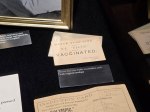
Vaccination against smallpox was required for immigrants to enter the United States during this time. So immigrants using the White Star Line ships to move to the U.S. had White Star Line vaccination cards. The photo below is a vaccination card for the S.S. Celtic, but the Titanic card would have looked similar.
The “packing list”
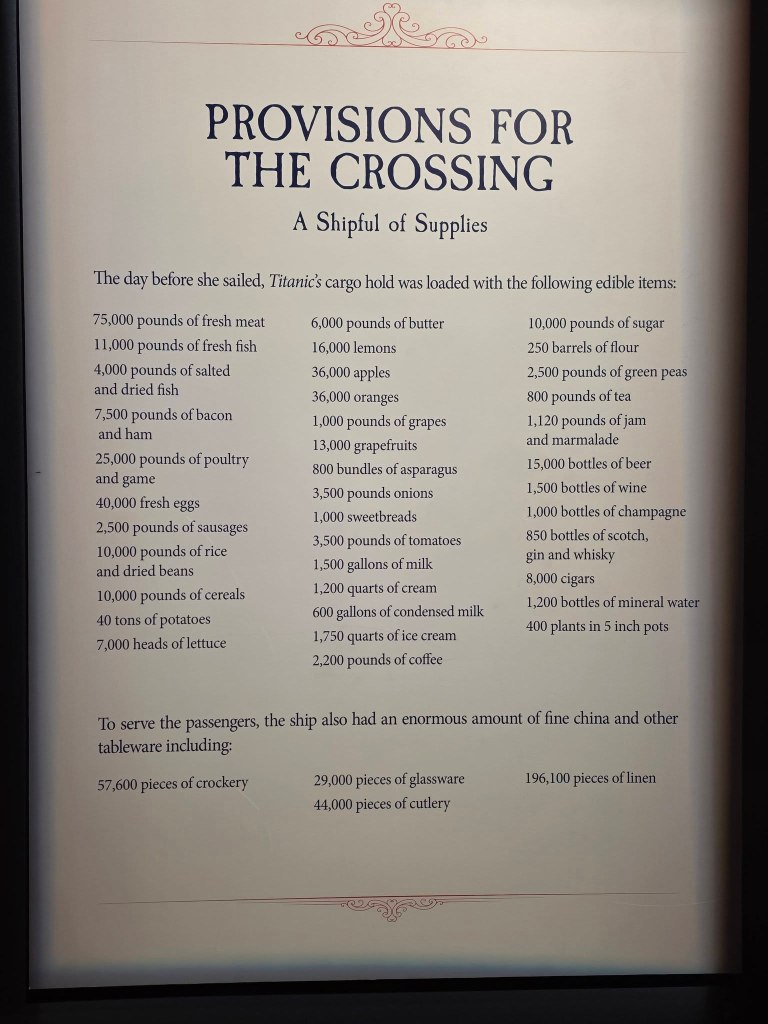
Packing for any trip is always such a feat. I make a list that is double and triple checked, and I still inevitably miss something. I cannot imagine how much food to plan for thousands of people.
The Quality of rooms and dinnerware
I didn’t get a picture of the models of rooms and examples of dinnerware for first class, second class, and third class. But with each example, there was a plaque that explained how second class on the Titanic was better than first class on all other ships. Third class was also much better than the passengers anticipated. Which would make first class the best in the world. Titanic truly was a luxury ship for the time period.
The infamous third class gates
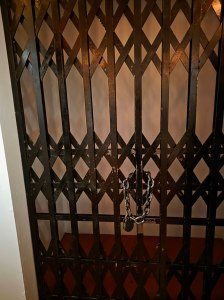
There was a poster next to the replica of the gates that explained the gates were always locked to prevent third class passengers from visiting the first and second class areas of the ship. They weren’t locked just on the night of the sinking to prevent the 3rd class passengers from getting to the life boats (like in the movie). In the chaos of the sinking, most of the gates were left locked due to forgetfulness, not malice, which (in addition to not enough life boats) is why so many 3rd class passengers died during the sinking. Which is still really terrible! It reminds me of the Triangle Shirtwaist Fire from the late 1800s. The owner of the factory locked workers in to prevent them from taking breaks or leaving early. When the factory caught fire, no one could escape, and most of the employees died. Between these two tragedies (and probably others), there are now laws about emergency exits and locked doors/gates in regards to safety.
The Promenade Deck
This was for first class passengers to walk along for socializing. In fact, the poster said this was how mothers showed off their single daughters. And I immediately thought of Bridgerton! I imagine the promenade deck is the one Jack teaches Rose how to spit off of. I didn’t take a picture of the replica, but I did take a selfie with my husband while we were sitting on one of the benches. I certainly would have noticed him on a promenade!

The Iceberg
I knew that the Titanic received an iceberg warning that was pocketed by Mr. Ismay. What I didn’t know was that there were 5 iceberg warnings sent out to whatever ships might be sailing that part of the Atlantic. And when the Titanic hit the iceberg and began to sink, they sent out SOS messages all over. The museum had a wall that quoted the final correspondence between Titanic and other ships. Those ships received updates as they sailed toward the Titanic. As we know, none made it in time, and one arrived to rescue the survivors.
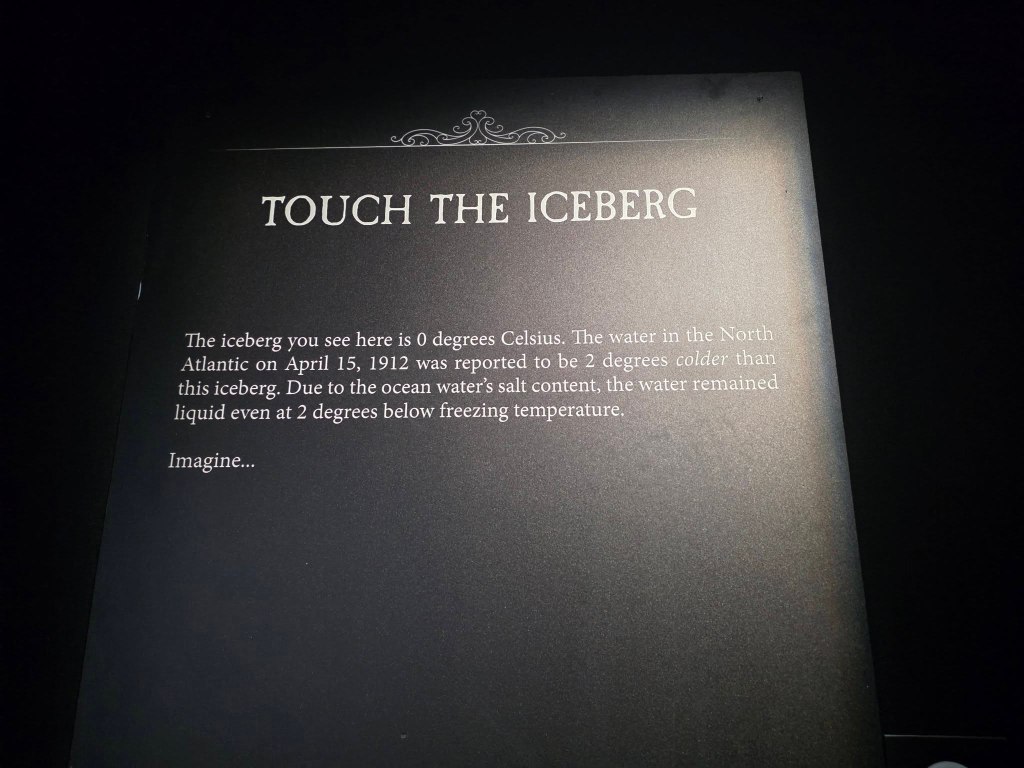
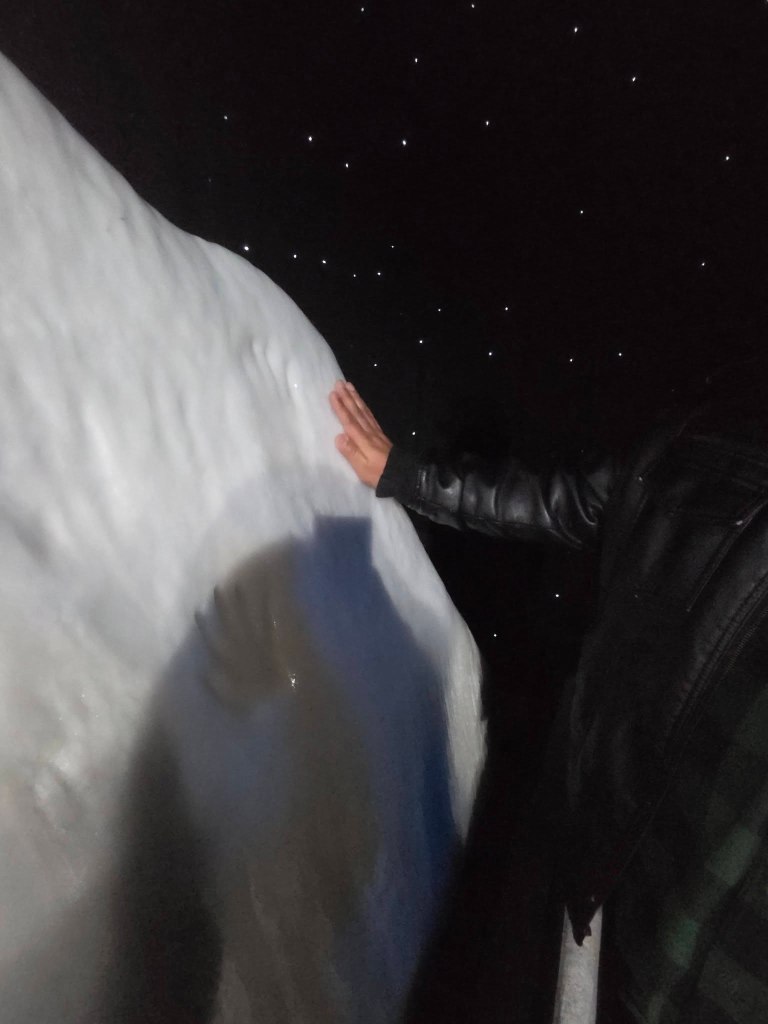
The same room with the iceberg correspondences also had a sheet of ice kept at two degrees above what the Atlantic ocean was that night. Visitors are allowed to touch the ice. It hurts. I can’t imagine falling into that water.


Connections to Utah
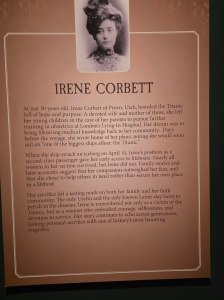
The museum had a room titled “Connections to Utah” where passengers who were either from Utah or spent any significant time in Utah were highlighted. The one that stuck out to me the most was Irene Corbett. She traveled to England for an education in nursing. Irene could have gotten on a lifeboat as a 2nd class passenger, but different accounts have been combined to guess that she gave up her seat to help others. She perished. Her children were then raised by their grandparents. She is the only known Latter-day Saint to perish in the sinking.
I imagine that this room changes based on location. I would love to know the passenger highlights for the other states.
Real Life Romances on the Titanic
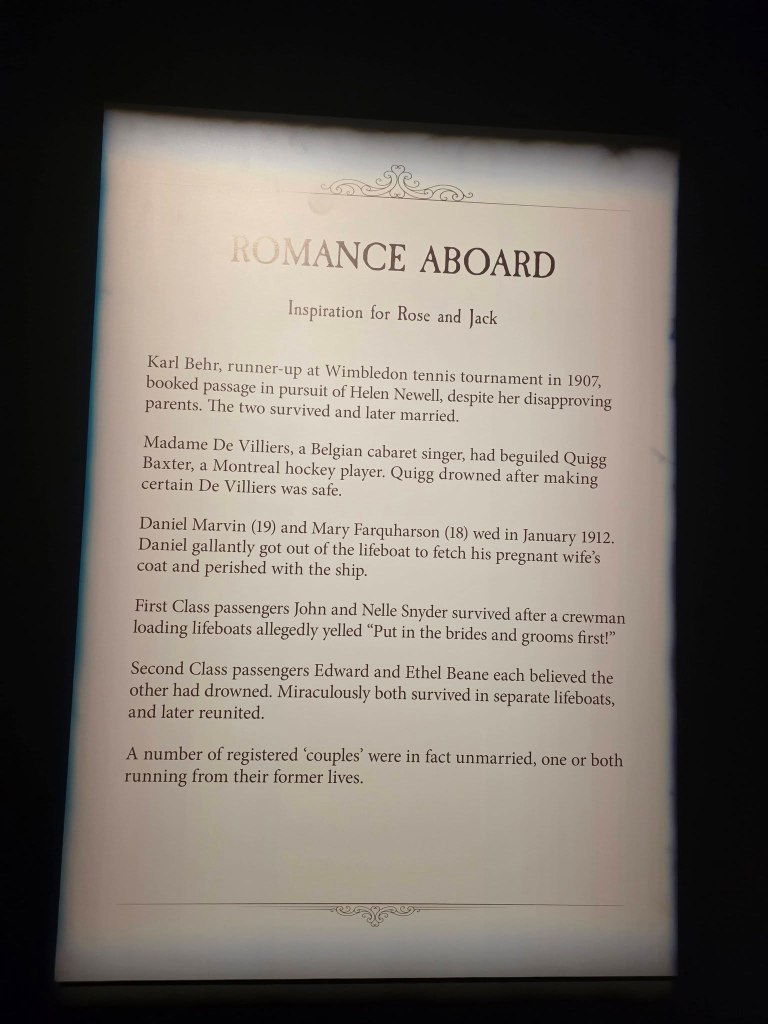
There were several real life couples who either met on the Titanic or used the Titanic to travel to America after marrying or planned to marry in America. Their stories inspired the fictional characters of Jack and Rose.
The Original Go Fund Me
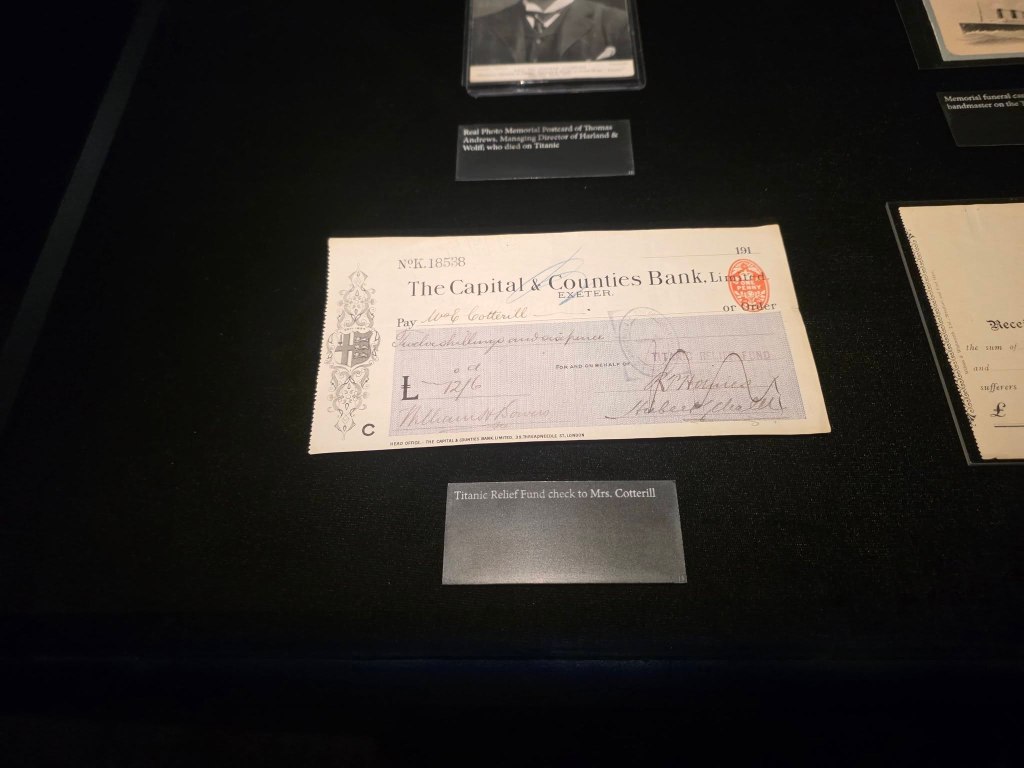
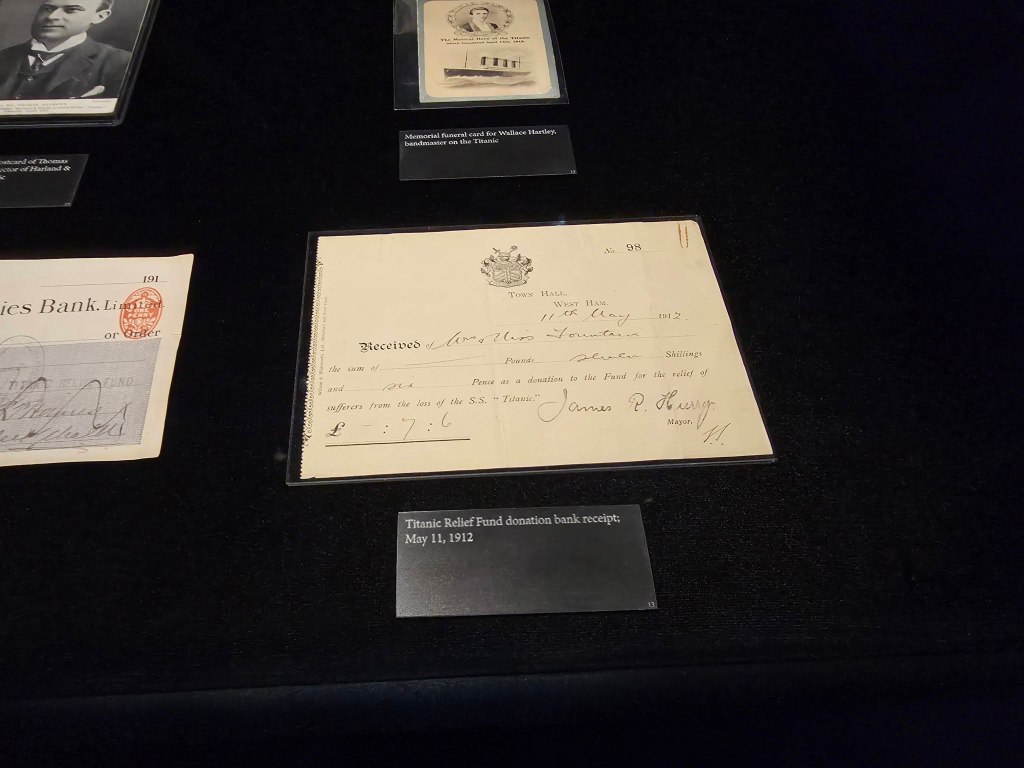
There was a Titanic Relief Fund that people could donate to that helped the survivors and sufferers of the sinking. I don’t know why learning that fact surprised me so much, but I enjoyed the information.
Goodbye
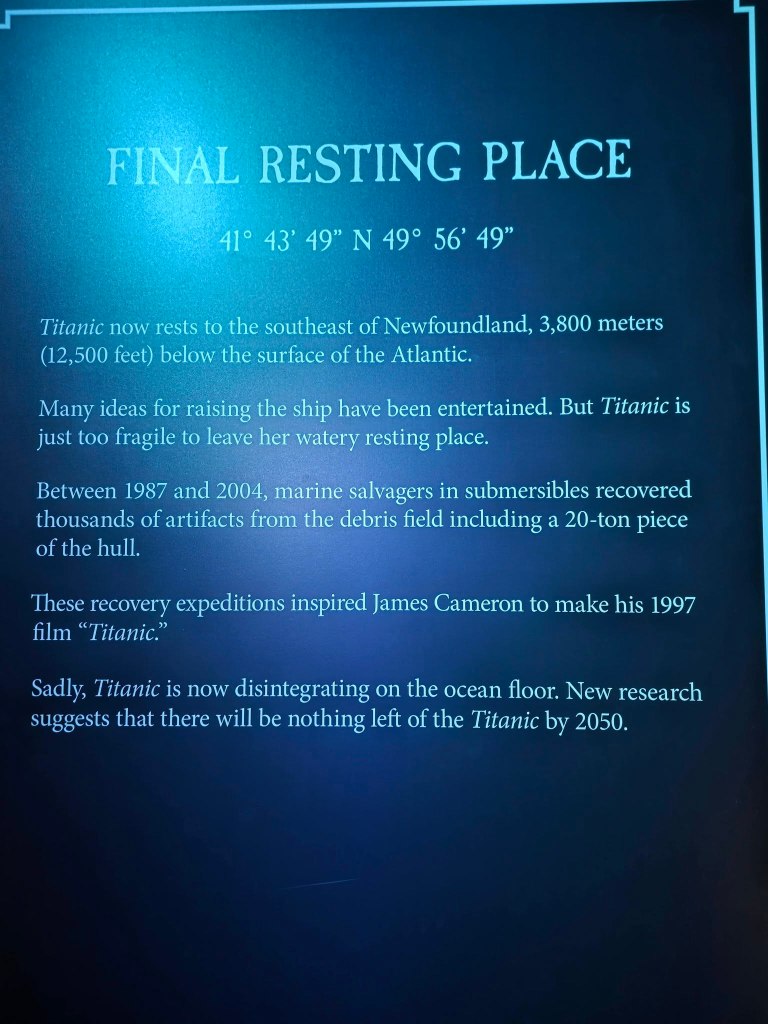
What’s left of the ship is currently disintegrating, and it is projected that Titanic will cease to exist by 2050. I know that most materials are not permanent, and the Titanic did sink over 100 years ago, but that bit of information was very surprising to me. 2050 is not too far off. That will be in most of our lifetimes. It’s sad to me.
The Titanic continues to gauge the interest of many people, and I imagine it will continue to be an event that people study. What’s an intriguing Titanic fact you know? Share it in the comments!
Subscribe to get access to the rest of this post and other subscriber-only content.
Okay, it’s technically my top 8 reads of 2025, but 4 of them are in the same series, so I’m reviewing them together.
I read 41 books this year – 2 more than my goodreads goal! 5 (8) of them I loved so much, I need to share them with you.
Remember When We by Khardine Gray.
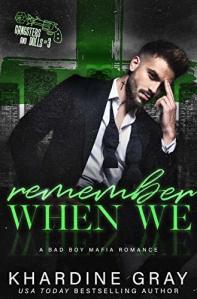
Khardine Gray also writes under the name Faith Summers. Whether she’s writing as Khardine or Faith, her series are all mafia romances. Remember When We is my absolute favorite of hers. It’s the third installment of her Gangster and Dolls series. It’s a second chance romance with the older brother’s best friend and secret baby tropes weaved into the plot. Lyssa and Gio haven’t seen each other in almost a decade. The death of Lyssa’s brother, Gio’s best friend tore them apart. Now they’re back in each other’s lives, and Lyssa owes money to the wrong man. Gio must not only win back her heart, but also save her from dangerous men who want to harm her.
Khardine/Faith write very spicy love scenes, and most of her MMCs are morally grey and very alpha-like. Several of her stories cross the line for me; but knowing that she has stories like Remember When We keeps me reading her stuff.
Queen Charlotte by Julia Quinn and Shonda Rhimes
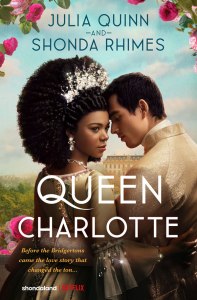
Unlike the other Bridgerton stories, Queen Charlotte the book was released after Queen Charlotte the limited Netflix series. But like most film-book comparisons, the book is better! What I love about reading is that we get to experience the characters’ emotions in their heads. On screen, we guess what they’re feeling by their body language and tone of voice. Like the mini-series, Queen Charlotte follows Charlotte and George’s early days as newlyweds, Brimsley and Reynolds’ relationship, and Lady Danbury’s fight to keep her children’s rightful status after her husband dies. The book also gets a couple of scenes that aren’t in the show. My guess is they are scenes that either got deleted from final edits, or were never filmed due to time. And finally, Brimsley and Reynolds’ love story is so much better in the book. I didn’t like their story in the show. I thought Reynolds was toxic and verbally abusive. In the book, Brimsley calls Reynsolds out on this unequal behavior, and Reynolds changes for the better by the end of the book.
I’m all for Julia Quinn and Shonda Rhimes continuing to give side characters their own story.
The Rokesby Series by Julia Quinn
These four books are considered the Bridgerton Prequels. The MMCs of each book are a son in the Rokesby family – the family whose countryside property is next to the Bridgerton’s Aubrey Hall. And three of the FMCs are a Bridgerton girl; either a sister or cousin to Edmund Bridgerton (Violet’s husband and father to the eight main Bridgertons). I argue that these four books are better than the original eight Bridgerton books. But I’m sure it’s because Julia Quinn started with the Bridgerton books, and simply improved her plot creativity and writing skills as she wrote and published more. Let’s dive in to a brief summary of each:
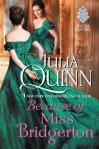
Because of Miss Bridgerton is about the oldest Rokesby, George, and the oldest Bridgerton Billie (Sibylla). They think they hate each other, but their mothers know better and hook them up with an elaborate scheme of dinner parties and visiting London.
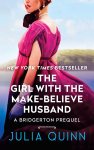
The Girl with the Make-Believe Husband takes us to the colonies on the North American continent during the American Revolution. Edward, the second oldest Rokesby is serving the King in his Majesty’s army. Cecilia has traveled to the colonies to find her injured brother, who happens to be Edward’s best friend. In order to get the answers she seeks, Cecilia needs the Rokesby name, and pretends to be married to Edward.
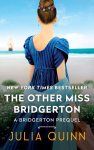
The Other Miss Bridgerton is about the third Rokesby, Andrew, and a Bridgerton cousin, Poppy. Andrew is a ship captain. His ship participates in some legit business and some pirate-level business. Poppy gets kidnapped by some of his crew, and he has to take care of her while they make an important and deadline-driven journey to Portugal.

First Comes Scandal is about the youngest Rokesby, Nicholas, and the youngest Bridgerton Georgie (Georgiana). Georgie’s reputation has been compromised by a malicious young man who wanted to force her to marry him. Nicholas’ father asks him to marry her in order to save her from a life of spinsterhood and a soiled reputation. Their love story begins after their marriage.
In usual Julia Quinn fashion, these four stories are full of witty women, temperamental men, and comedy. I love her writing, and this is my favorite series of hers (so far).
Romney: A Reckoning by McKay Coppins
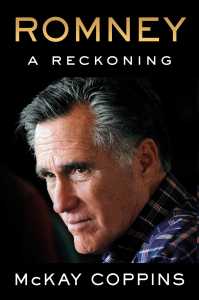
I didn’t know who Mitt Romney was before he became a real contender in the 2012 Republican primaries. Part of that is because I was too young to vote or care before then, and part because I took a political science class during that time, so of course my professor used class time to closely follow the campaigns. Over the years, I have grown to greatly respect Mitt Romney, especially during his time as a Senator representing Utah. Reading this biography that covers both his personal and political life was very enlightening, and I like him even more now. Mitt Romney always tries to do what he thinks is right, even when others disagree with and disparage him. I think he’s a great role model for future politicians.
Zalis by Nancey Cummings

Nancey Cummings writes science fiction romances, and her longest running series is the Warlord Brides/Warriors of Sangrin series. Zalis is the 13th installment in that series (16th, if you count the three side stories, which I do). It popped up on my “Because you read…” recommendations on my kindle, and I bought it right away and started reading immediately. Zalis is an alien warrior, his species is called Mahdfel, and he is of the Sangrin line. He meets his human mate when he rescues her in a group of kidnapped human women to be sold on the sentient being trafficking market. Gemma does not want to go back to earth, so she accepts a match with Zalis in order to stay near her twin sister. What will start as a marriage of convenience, has the chance to bud into love. I love Nancy Cummings’ writing. She is creative in her world building. She develops humorous and witty characters. Most authors cannot continue a series for this long and keep it entertaining with readers still wanting more. But I do want more, and her acknowledgements at the end of Zalis do promise more in due time!
What were your favorite books that you read in 2025? Share them in the comments!
Subscribe to get access to the rest of this post and other subscriber-only content.
Subscribe to get access to the rest of this post and other subscriber-only content.
I’m excited to have Amber Daulton back on the blog. Her latest book, Lost in His Spiderwebs released today. And the title is perfect for an October release. Here’s Amber.

Lost in His Spiderwebs is the second book in the Lozano Cartel series, where we dive into the lives of Rubén Lozano and Drina Cabrera in a dark, second-chance romance neither one of them saw coming.
Rubén is not someone you want to cross. A cold, calculating cartel kingpin, he’s willing to do whatever it takes to achieve his goals. Flip the coin and you got Drina—a widowed mother who’s raising her daughter alone while struggling to keep the darkness of her own mother’s anti-cartel resistance group out of their lives. These two couldn’t be more different. But when Drina’s world falls apart, she finds herself entangled in a dangerous cartel web, with none other than Rubén as her unlikely savior. The twist? He’s the man she’d loved and left long ago.
As for my inspiration… Well, that’s a bit of a story in itself.
Rubén and Drina were introduced as secondary characters in book 1, Dark Hearts Aflame. From the moment Rubén showed up on the page, I knew he deserved his own story, but at first, I couldn’t figure out who his heroine would be. After playing around with a few ideas and scrapping them, inspiration finally struck—Drina! She was the perfect fit for him. I’ve always loved the “opposites attract” trope, so I started plotting their story with her as his love interest. But something just didn’t feel right. At this point, Rubén and Drina were complete strangers when they meet in Chapter One, and that bothered me. There wasn’t enough depth or chemistry between them to make the story truly compelling.
I spent weeks, literally weeks, brainstorming how to make this connection feel real. And then, it hit me. Second-chance romance! Another favorite trope. What if Rubén and Drina had a past? What if they were once lovers, and he’s the father of her daughter, though he doesn’t know it? Once that idea clicked into place, I had everything I needed to take the story in a fresh direction.
I’m a plotter, and I like to outline chapter by chapter. I use pen, paper, and colored pencils, but sometimes I plot in a Word doc. I try to follow my notes exactly, but more often than not, the characters take control and steer my story in another direction. Beyond the initial plot issues, Rubén and Drina were pretty well-behaved. I didn’t have to get into a lot of arguments with them or force them to follow my painstakingly plotted outline, as I’ve had to do with other characters in other stories. It’s always a relief when my H/h play ball.
Who am I outside of writing, you might ask? I’m not sure I know. Writing is my life. As soon as I wake up in the morning, I’m on my laptop, researching, editing, or writing something fresh. When I’m brain dead from that, I like reading, hiking, binge watching my favorite TV shows, digging in my herb beds, and playing with my cats. Though, usually, I’m writing with a cat snuggled up beside me, so I’m always spending time with the furballs. I’m married to a supportive man who loves cooking (lucky me!), though I can’t get him to sweep the floor to save my life. Haha!
Today is the release day for Lost in His Spiderwebs, and I’m super excited. It’s my 20th published work to date. That’s right. The big 2-0! I’m already working on the next book, Corrupting His Wife, which is currently in the draft phase. The Lozano Cartel series will span several standalone novels, so be sure to subscribe to my newsletter or follow me on social media to stay updated. In the meantime, add Lost in His Spiderwebs to your reading list. You don’t want to miss it!

Amber Daulton is the author of the Lozano Cartel, the Arresting Onyx, the Embracing You, and the
Ramseys in Time series, as well as several standalone novellas. Her books are available in ebook, print
on demand, audio, and foreign language formats. She lives in North Carolina with her husband and demanding cats. Follow Amber at https://linktr.ee/AmberDaulton
Kidnapped by the enemy. Bought by the jefe. Will his smoldering touch thaw her frozen heart?
Rubén Lozano, the new leader of the Lozano Cartel, craves peace amidst a legacy of bloodshed and
death. He never expected to find his ex-lover, Drina Cabrera, in the clutches of his vicious rivals. Her
haunted eyes compel him to rescue her, but freeing her is another matter.
After five months of captivity, Drina trades one captor for another. Though she succumbs to Rubén’s
masterful touch, the bittersweet memory of her daughter and the life she was stolen from is a constant
wedge between them.
When Rubén’s darkest secret comes out, he will have to wash his hands in crimson. Will Drina let her
king face the danger alone, or stand at his side as his cartel queen?

Subscribe to get access to the rest of this post and other subscriber-only content.
In June 2023, I took the opportunity to attend my first educator’s conference with my administrators and several other teachers. The conference was in Austin, Texas. I’d never been to Texas before, so that in and of itself was motivation enough to accept an everything-but-meals-and-activities paid trip. About halfway through the conference, one of my colleagues said that he’d attended this exact conference with his previous school a few years prior, and the sessions and keynotes were the exact same. So he spent the week picking sessions he didn’t pick last time, or just enjoying himself in a city he’d never been to. Six months later, that same conference came to Salt Lake City, Utah – an hour north of us. Those of us who went to Austin saw no reason to attend again. So, the teachers who didn’t go to Austin, went to the Salt Lake sessions.
An editing software that I use hosts several online conferences each year for different genres. I religiously attended for a couple of years, and I noticed that they had the same presenters teach the same session for the topics of marketing, plotting, and different world building and editing programs. After the third repeat, I stopped attending those sessions.
With that being my introduction to conferences, I struggled in deciding if attending the Quills Conference two years in a row would be worth it.
It was.

First of all, the sessions were completely different. There were new presenters that were not there last year, and returning presenters taught completely different classes – or different enough, that it didn’t feel like a repeat.
The networking opportunities were different as well. In fact, if my memory serves me correctly, there were more networking opportunities this year.
Some things remained the same: pitches with agents and editors, headshots with a professional photographer, and banquets featuring three keynotes speakers (though the keynote speakers were different).
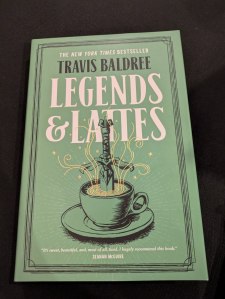
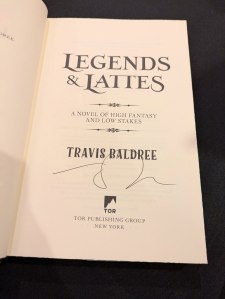
Overall, I learned plenty of new information, connected with new writers, reconnected with writers I only get to see at the Quills and Pre-Quills, and had an enjoyable break from my normal life.
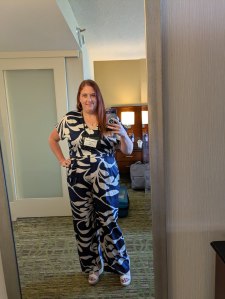
So, yes, attending the Quills Conference year after year is totally worth it. I look forward to having it be part of my summer travels each year.
What writers conferences have you attended that you would recommend to others? Tell us in the comments!
 Chelsey M. Ortega