January 2025 Newsletter

Subscribe to continue reading
Subscribe to get access to the rest of this post and other subscriber-only content.
Subscribe to get access to the rest of this post and other subscriber-only content.
On Goodreads I read 38 books in 2024. But when I count the 16 books not registered on Goodreads and the 4 unpublished books I beta read, I read 58 books in 2024. Regardless, I didn’t meet my Goodreads goal of 76 books. But that’s okay. My Goodreads goal is always one more than I read the previous year. So, that means my 2025 goal will be 39 books.
Of those 58 books, here are my favorites:
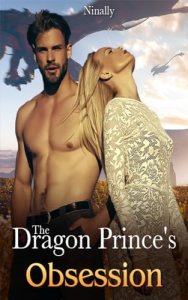
The Dragon Prince’s Obsession by Ninally is the sequel to The Dragon King’s Obsession. Both books are about dragon shifters falling in love with the enemy: humans. In this series world building, dragon shifters live high up in the mountains. Human hunters down the mountain hunt them, and have hunted female dragons almost to extinction. In the first book, dragons capture the daughter of the leader of the hunters, and the king of the dragons falls in love with her while she is their captive. Of course there’s lots of drama, witches get involved, and the final battle is epic. And then the sequel begins.
New couple. New story. One of the best enemies-to-lovers I’ve ever read. Adela is a human servant in the king’s palace. She serves the king’s sister, Princess Lucille, and the queen, Mystique. Prince Mikhail is the king’s brother. Mikhail was one of the villains of the first book. He kidnapped Mystique and tried to kill her.
Adela stumbles across Mikhail being imprisoned by witches while she is on an unwilling adventure with the spoiled Lucille. In Lucille’s inability to see anyone other than herself, she returns to the palace safe and sound without Adela. Mikhail and Adela fight their way out, and Mikhail takes Adela to his palace. Because she saved his life, his dragon now owes her. Mikhail begrudgingly takes care of her as he fights his dragon’s attraction to her. He hates humans, but he also opens Adela’s eyes to how she is treated back at the main palace. Adela is “friends” with the royal women, but yet still has to serve them and sleep in cramped quarters with the other human servants. Adela also thinks she’s in love with the king’s right hand man, Blaze. Lucille and Blaze are secretly in love and having a secret affair. The problem, is that in order to keep her secret, Lucille encourages Adela’s crush on Blaze to hide her own feelings, knowing Blaze will never look at Adela like that. So, she’s setting Adela up for romantic failure for her own selfish agenda.
When Mikhail cracks everything open for Adela, she refuses to return to the king’s palace. Mikhail keeps her in his, where she is not a servant, but an equal resident. They grow closer and have one of the most delicious slow burns I’ve ever read. During her time there, Adela also discovers she is not truly human. Her mother was human, but her father was something else (which I’m not going to give away – read the book!). Her newfound abilities call evil witches to them, and she and Mikhail will have to literally fight for their survival and love.
It’s beautiful. It’s spicy. I LOVE this story.

The Woman They Could Not Silence by Kate Moore is a biography of Elizabeth Packard, whose story takes place in the 1860s in Illinois. Elizabeth held different religious and political beliefs from her husband, who was a preacher. She vocalized them in public, and her husband responded by getting corrupted doctors to certify Elizabeth as insane, and locked her in an asylum. Kate’s research of Elizabeth’s experience teaches four main historical facts:
1. What was considered “insane” in the 1800s – Women could be diagnosed with insanity if they disagreed with their husbands, disobeyed their husbands, or stopped loving their husbands. Elizabeth was guilty of all three.
2. How deep male ownership of women was – Several doctors who “diagnosed” Elizabeth with insanity never saw her in person. They listened to her husband’s description of her, and wrote a certificate of insanity! Also, Elizabeth couldn’t divorce her husband because he would automatically get their six children if she did.
3. Treatment of patients in asylums – Elizabeth women with less money and social status than her slapped, starved, choked, and drowned. When Elizabeth disobeyed her doctor, he took her possessions and moved her from her private room into a shared room. While the employees didn’t physically abuse Elizabeth, they allowed the more violent patients to do so instead.
4. The amount of research and lobbying needed to change the law – When Elizabeth was released from the asylum, she went to work to change the law so that some of the friends she’d made could also be released, and future women didn’t go through the same thing. It took her a decade, which included a nationally followed legal battle against her husband and doctor. She was successful in getting the laws changed across the state, which would end up saving her daughter in the future when she also suffered mental health problems in her adult years.
Elizabeth Packard’s story is one that needs remembering for both mental health laws and feminist ideology. I have always enjoyed biographies about strong and powerful women, and Elizabeth makes it on that list.
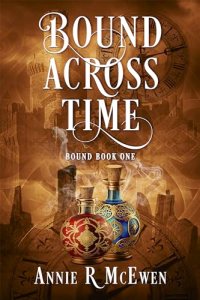
Bound Across Time by Annie R. McEwan was my first experience where an author reached out to me and offered me a free copy of their book to read and review. And it was amazing. Of course, Ms. McEwan got the royal treatment: an unboxing video, a blog post, and a YouTube review.
Bound Across Time is the first of a paranormal time-travel romance series. Patrick O’Loinsigh died in the 1700s in Wales. His ghost as been stuck in the castle he perished in. In modern days, the first living person, Cece Gowdy can see him. She’s a witch and they embark on a passionate love affair. But loving a ghost comes with risk and danger. Cece is not made for Patrick’s limbo world, and Patrick isn’t made for Cece’s living world. They are going to have to rely on the help of other witches to fight against the magic of time that is separating them.
I always find magic system world building interesting, and the rules of magic for this world were really cool. This was also the first ghost-human relationship that followed the rules of the romance genre. The sequel, Bound to Happen will be released early this year!

The Haunted Purse by Kimberly Baer is my tried and true “don’t judge a book by its cover.” I thought the title sounded juvenile and the cover didn’t pull me in. Then it ended up being the book of the month for the book club I was in. I inhaled it.
Libby is a 15-year-old high school student who lives on her own while her mom dates around, pretending she doesn’t have a daughter. Libby purchases an old purse from the secondhand store. The purse makes things disappear, and provides extra things to the purse. As Libby gets used to her purse’s abilities, she notices a connection with some of the objects that appear. They are all connected to a 20-year-old cold case. Convinced that the purse holds the ghost of the missing girl, Libby puts on her detective hat and works to solve the case.
In addition to the murder mystery plot, there are three other themes that provide great lessons for young adult readers:
The Haunted Purse is the best YA story I’ve read in a while.
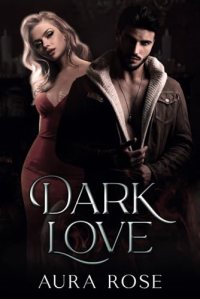
Dark Love by Aura Rose is the second in a fated mates romance trilogy. Each book features a different couple. The first book is called The Last Alpha. To be honest, I didn’t much care for the first one. Some authors who write fated mates stories use the mate bond in their plot to have a – what I call – justified cheating subplot. That is in The Last Alpha, and left a bad taste in my mouth for the rest of the book. Luckily, the end of the first book lets the reader know who the couple will be for Dark Love, and I was fully on board for their love story.
Madeline is a werewolf, Arius is a witch-vampire hybrid. Arius is not supposed to exist per the council’s rules, and they’ve been trying to kill him since he was born. Arius is also the son of the vampire king who tried to kill Madeline’s pack in the first book. So, she and Arius get a very steamy enemies-to-lovers and forbidden love arc – which, in my opinion, is the best combination of romance tropes. Trigger warning: Arius does kidnap Madeline at the beginning of the book, but he doesn’t torture or SA her.
Once Madeline and Arius accept the mate bond, they combine forces to take down the bigoted council so they can live in peace. Arius is my favorite book boyfriend.
It ends on a pretty dramatic cliff-hanger. I’m about a third of the way through the third book, His Lost Tribrid. It’s also really good. Unfortunately, the platform it’s on (Dreame) has tripled their prices over the past year. So, I won’t be able to finish it there. So, I’ve subscribed to Aura Rose’s Amazon page, and as soon as it’s available on Amazon, I’ll buy it there and finish it.
What notable books did you read in 2024? Share them in the comments!
Subscribe to get access to the rest of this post and other subscriber-only content.
One day, during my sophomore year in high school, a classmate grabbed my arm and said, “I just finished the most amazing book, you have to read it!” That book was Twilight by Stephenie Meyer. I trusted this classmate’s opinion, asked my mom for the book, and it ended up being my Easter present that year. I read it in one day, bought the second one and read that in one day. Then I had to wait a couple months for the third, but I was hooked.
Two years prior to that, in eighth grade, a friend of mine found her mom’s copy of The Notebook by Nicholas Sparks, read it, and passed it around to the rest of our group. She had us write our names inside the front cover when we finished it to make it our own “sisterhood of the traveling pants”, but with a book. From there, I sought out other Nicholas Sparks’ books (Safe Haven is my favorite).
That same year, I checked out a copy of A Dance for Three by Louise Plummer from the school library, and recommended it to my friend. She checked it out next and loved it so much, she made her mom hunt it down so she could own a copy. (And let me tell you, that book is hard to find in a traditional bookstore. This was 2004.)
What is the common denominator in those three tales? Word of mouth. Most of the books I have read, I came across via recommendation: a friend, a family member, maybe facebook ads, etc. And according to many blogs, podcasts, and seminars; word of mouth is still the best way to sell books.
Even so, authors are also told that online reviews are important because the algorithms on those websites recommend books that have a lot of reviews. But even though that’s what the algorithm does, is that really how potential readers find books? And do readers read reviews before deciding whether to read a book or not?
I created a Google Forms survey, and 76 people responded. Here are the results:
What helps you learn about and choose to buy a book?
*Note: This was a “Check all that apply” question, so all numbers together will go beyond 76
| Recommendations from family and friends | 58 |
| Window shopping in brick and mortar bookstores | 36 |
| Online ads (i.e.facebook, instagram, etc.) | 18 |
| “Also bought” on Amazon | 19 |
| “Readers also liked” on Goodreads | 12 |
| Searching a preferred genre/trope on Amazon | 27 |
| Other | 25 |
Surveyors got to type something if they clicked other, and here are the common “others” summarized into general categories:
So, like my own experiences, most people still rely on recommendations from trusted people. But a decent number of people are also using the internet in some capacity (Amazon, social media, etc.)


These next two responses totally threw me. Because I don’t read reviews before buying a book, I erroneously assumed most people were like me. And this has completely turned my marketing world upside down.

I was not surprised by these results. For me, 3 stars means that I enjoyed the book enough to finish, and I don’t regret spending my money on it. So I consider 3 stars a positive review. But at the same time, I know on the marketing side, you don’t choose a 3 star review to highlight. You choose 5 star reviews to highlight.
At the end of the survey, I provided space to type anything they wished to add, since I often struggle with multiple choice, because I want to explain my answer. With respect to transparency, I did use AI to help me find commonalities in the 49 responses, and come up with categories based on those commonalities. AI discovered 5 categories, and as I went through them, I deleted two of AI’s category and created a two of my own, moving some of the responses around to the following:
| Category 1: Preference for Cover, Blurb, and Initial Impressions – 14 people expressed this was important to them in selecting a book. |
| An attractive cover and a strong blurb on the back will get my attention. I’ll read a page or two (unless it’s by an author I’m already familiar with) to see if they can get my interest. It’s rare that I will read a review first. |
| By far the first thing that gets me to look at a book is the blurb and a cover, and from there, I will look at reviews or recommendations before I decide to buy. |
| Sometimes I get recommendations from word of mouth, but not often. 95% of the time, I’ll see an ad on FB or IG. If the blurb is interesting, I’ll click on it and go to the Amazon page and read through that. If it still seems worth getting, I’ll read the sample. If it still seems good, I’ll get it on Kindle Unlimited. If I absolutely love it, I’ll buy the ebook. Even rarer, I’ll buy the physical copy. Occasionally I’ll buy books not on KU, but that’s even more rare. That only happens when an author I already trust has a new release. And right now, that’s…. one, but used to be two. But I stopped liking that author’s books, so it seemed silly to spend money on a book when it was a “maybe I’ll like it.” |
| I usually choose a book based on the blurb, the cover, and the genre. |
| Cover and genre recognition are big factors for me – the “catch your eye” thing. |
| I read the synopsis or hook that is on the back or inside of the cover of the book to see what it’s about most of the time and if it captures my attention then I read it. A quick little summary of the story over reviews is usually what helps my decision more than book reviews. How I find out about the book is in all sorts of ways, wandering through bookstores, Amazon, Facebook, and every other way to find new books. |
| Most times it’s the blurb. If it reads like it’ll be an intriguing story, I’m in. |
| Cover and blurb is what usually leap out at me. Also read the first pages. |
| Excerpts on Facebook ads and catchy stock pics or video grab my attention. |
| Cover art then blurb. |
| I read a few reviews, but they don’t carry much weight. I mostly rely on the sample pages. If they grab me, I buy, if not I pass for now. |
| I usually read the jacket cover before buying. |
| I rarely read reviews because I like to make up my own mind. I look at the cover, read the blurb, read the author’s info, and read the first couple of pages. |
| If a book catches my eye, I read a page or two of the preview. If it intrigues me and is not full of typos, grammatical infelicities or clunky writing, I’ll buy it. |
| Category 2: Number of Stars Matters – 5 people explained how they use stars and averages to help them decide whether to read a book or not. |
| I would select a book with four stars and above. If there are a lot of reviews, I don’t pay attention to negative ones since it may just be a personal opinion. |
| If there’s a few 1 or 2 star reviews but the rest are 4 and up, I usually disregard the lower reviews. It’s simply the taste of the reader. I sometimes seek out books because of something I’ve heard or read in the media about a book or author. For instance, I recently read my first Emily Henry book because of an article I read online. |
| Sometimes reviews affect whether I will purchase a book, but if a book has been recommended by someone I know personally, that would have more weight, even if the reviews aren’t outstanding. I’m also more likely to look at the number of reviews and the average rating than to read individual reviews. |
| I use book reviews, but I don’t read them. Spoilers being what they are, I don’t want anything to color my expectations. If a book has a 3.5/4+ out of 5 stars, and a number of reviews north of 10, I’ll likely pick it up. |
| I think any number of stars is a positive review. It really depends on what the actual review says. After all, you can give a 5 star review, but then in the post, the reviewer can list more negative things they thought about the book than positive. |
| Category 3: Mixed Feelings or Limited Reliance on Reviews – 7 people shared their reluctance to trust reviews 100%. |
| I take all reviews with a grain of salt. I usually never agree with movie reviews. I do look at the reviewer’s bio information, if any, such as age and gender. I really try to take information from multiple sources. |
| I read the reviews, but if the blurb and book cover attract my attention, I will make up my mind based on what I think, not what a stranger says. |
| I rarely read reviews because everyone has different tastes and the people who write reviews tend to be the angry rude people. I don’t like to support that kind of negativity toward someone’s art. More often than not, I have a different opinion from the reviewers, so it does me no good to read them first. |
| I don’t always read reviews, especially if I’m familiar with the author’s work. Reviews are just opinions, and whether or not I buy a book depends on if it sounds interesting to me, and is the type of story I like to read. |
| I dislike and ignore the value of 1- or 2-star reviews without text. I think Amazon does a disfavor to authors when they allows this type of review since it pulls down your score with no reason why the book was rated so low. For example : “2 star – Clear filter – 1 total rating, 0 with reviews” – Are these trolls? |
| Reviews are all over the map. Often the text doesn’t match the number of stars I would think it merits. Some get low stars because the Reviewer has an axe to grind like doesn’t one of the characters because they are multiracial or something that has little to do with the quality of the story. I rely a lot more on friends and family recommendations. |
| I’ve worked in the publishing industry as a marketer and am wary of the techniques used to sell books, many of which are hollow and baseless, including book reviews. A positive book review is practically a given to most reviewers who receive a free copy. |
| Category 4: Looking for specific info. in reviews – 9 people said that the purpose of reading reviews is to look for specific good or negative hints on whether the book will be worth it. |
| I tend to read the actual review rather than just go by the star rating. I will disregard one or two negative reviews (there is always someone who likes to destroy an author’s confidence) but if there are a lot of negative reviews saying a similar thing, I will probably pass on it. |
| There are certain things that really bug me when I read books, and if reviews mention any of those things, I tend to avoid the book. Sloppy prose is one of those things. Most books I read nowadays are on Libby, but I will occasionally buy a book if I want to read it sooner than it will be available to check out. |
| I depend heavily on reviews to decide whether to try a book by an author unfamiliar to me. A well-written review will give me a general idea of the plot and tell me whether I would probably like the book. Even if the reviewer disliked it, a good review will explain lucidly exactly what the reviewer disliked — and it may be a feature that would appeal to me. For example, if a review complains about a story being too “slow,” with too much dialogue and not enough action, I know I’ll probably enjoy it. |
| I like when recommendations or reviews compare the books to other popular books or series that I may have read |
| I’ll look at reviews depending on how I found a book. If it’s an online recommendation I don’t know anything about, I’ll always read a review. If it’s the author or a friends recommendation, I’ll never read a review. |
| I read the reviews to see if they tick any of the boxes of my likes and dislikes. For instance, I won’t read/buy a book with a cliffhanger ending, and I’m leery of books with poor editing. |
| Book reviews give me a better idea of what the book is about. Blurbs aren’t always great. |
| Re reading reviews, I read them sometimes, but if I’m in a physical bookstore I wouldn’t. When reading a review, I don’t take it for being 100% accurate but allow for any bias I see creeping in. I like a reviewer who spells out what sort of reader would like a particular book and what sort might not. |
| I often read reviews after I’ve started reading a book, particularly one I either love or hate just to see if other people thought the same. |
| Category 5: Reliance on Recommendations or Familiarity -11 people explained they have specific trusted sources to help pick their next book. |
| I often take recommendations from the Today Show. |
| If I have read and enjoyed something else in that author’s backlist, I will often be on the lookout for a new release. I will sign up for their Bookbub or to follow them on Amazon. |
| There are certain authors I follow and their books are usually the first I gravitate toward. Also, many of the books I read are the next month’s selection for my book club. Before choosing a book, I read a few of the reviews, both the good and the bad, just to get other peoples’ opinions. What the reviewers liked/disliked may not be what I look for in a book, so I won’t not read a novel based solely on someone else’s rating. I then read the blurb and the first couple of pages and give a thumbs up or down based on how I like the book’s opening. |
| I sometimes read reviews from instagrammers with similar taste in books. |
| I am more likely to read a book based off recommendations of people I know than reviews, but I do read reviews periodically, and factor them into my considerations. |
| Authors I follow |
| I choose books when I see an across the board popularity |
| I don’t always read reviews, especially if I’m familiar with the author’s work. Reviews are just opinions, and whether or not I buy a book depends on if it sounds interesting to me, and is the type of story I like to read. |
| As a former librarian, many of the patrons I talked with chose books to read based upon book cover, familiarity with the author, recommendations by library staff and viewing displays in the library. As for reviews, I am somewhat cynical about Amazon and other larger online entities because many of the reviews appear to be a trade (I will give you a good review if you give my book a good review) or manipulated by larger publishers to get their books out there–to make money, of course. |
| I am generally searching books by favorite authors. I also tend toward books carried by my library. Ebooks there are acquired through Amazon. |
Final Reflections
To be honest, I did not get the results I wanted and thought I would get. Reviews really are just as important as all the marketing articles and webinars have been telling me. But I think I needed this wakeup call. One of my weaknesses is I can get prideful and not accept information if it doesn’t match my personal life. I’m going to have to do some soul searching for my next marketing endeavor. 😂
What responses stuck out to you or surprised you?
Anything you connected with or feel like it didn’t match you?
How do you choose books?
Let me know in the comments!
I recently enjoyed following a discussion among historical fiction authors about accuracy and research. Probably my favorite thing I learned is that the food the ton eats in regency novels is often inaccurate to real life. I learned that bacon and eggs was a lower-class breakfast, and chocolate wasn’t a commonly accepted dessert yet. And when authors make such errors, readers who are educated in the time period they love are going to get upset.
To be honest, learning that didn’t turn me off to any of the regency novels or authors I’ve read that have been inaccurate. As a high school history teacher, I don’t teach what type of food a specific socioeconomic class ate in a specific time period. I teach the impact people, events, and movements had on society and progress. And so it is those details that I’m hyper aware of when I read historical fiction. And yet, other people clearly do care about the minute details, which is completely valid. So, how does an author decide how much fiction to put into historical fiction?

Let’s use my favorite historical fiction author, Philippa Gregory, as an example. Readers either love her or hate her. I am in the camp that loves her. She makes a lot of risky moves with her historical accuracy, but I don’t always agree with all of them even though I love reading her books. Let’s take a look at The Other Boleyn Girl as our main example. (Mainly because I know both the book and historical facts very well.)
In several interviews, Ms. Gregory has stated that when she writes a royal court story, she has a timeline up on her wall that shows the movement of the court, so that she can put the characters in the right geographical location in the right month/season. From there, depending on who you talk to, things can get murky.
In The Other Boleyn Girl the 4 main deviants from other accepted sources are:
The birth order of the Boleyn children
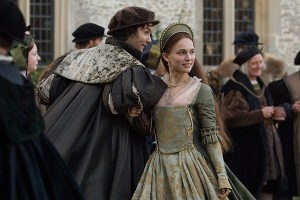
Every historical source I have ever read puts Mary Boleyn as the oldest, Anne Boleyn as the middle child, and George Boleyn as the youngest. Philippa Gregory switches the characters around completely: George, Anne, Mary. I do understand why (I think) she did it. The relationship she created for the two sisters – Anne as a bossy bully and Mary as passively compliant (which she grows out of over twenty years) – works better for Anne being “the mean older sister”. Despite me understanding what is most likely her reasoning for doing this, it still bothers me.
Who fathered Mary’s children?
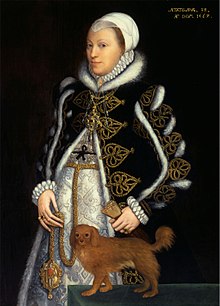
When Mary Boleyn became Henry VIII’s mistress, she was married to William Carey. She became pregnant during that time, and the court believed – as well as historians – that the king was the father of Mary’s oldest child, Catherine Carey. Surviving portraits of the oldest Carey child do hold similarities to other known Tudor children (according to those with the eye to see such details). According to historical sources, Henry had set Mary aside well before she became pregnant with her second child, Henry Carey. Historically, there was no doubt in anyone’s mind that William Carey was the only possible father to baby Henry. Philippa Gregory, however, made the decision to keep Mary as the king’s mistress longer than is accurate, and to make the father of her second child Henry VIII. Once again, there is a method to her madness. Later on, Anne adopts Henry so that she would be the “mother” of a biological son of the king, so he would be more inclined to marry her. But once again, the inaccuracy doesn’t sit well with me. The rest of the plot can continue as normal without this change.
Mary’s role in court

After Henry VIII set Mary aside, she’s a background character in the main historical record. We know she gave birth to a boy named Henry, and her first husband, William Carey died during one of the sweat summers (a type of plague disease that killed thousands of people every year). At some point after Princess Elizabeth was born, and during Anne’s unsuccessful pregnancies, Mary married a man well below her station, William Stafford. She kept her marriage a secret until her third pregnancy became too noticeable to hide (or perhaps, they married because she became pregnant). Queen Anne banished her own sister from court, and Mary’s remaining family followed their queen and shunned her. Mary moved to Calais, and that’s where they were living when Anne was beheaded for false accusations of adultery.
In The Other Boleyn Girl, Philippa Gregory condenses Mary’s banishment to less than twelve months, and she’s back at court as the queen’s sister. How does Ms. Gregory justify this very obvious discrepancy? An actual primary source states that during Anne’s last miscarriage, she let no one in her chambers besides her mother and her sister. Now, this sister could have been Jane Parker, George’s wife. But it was also well known that Jane and Anne didn’t like each other. In fact, Jane and George didn’t like each other. But still, how can Mary be at court if the historical record puts her in Calais? Or was it a misunderstanding on who was actually in the room? (Especially since this is a time where false accusations of adultery were being prepared.) Either way, Philippa Gregory has one source to validate her decision to keep Mary at court for the story.
And this is actually how she does it in all of her books. As long as one source records a guess, rumor, etc.; she can put it in her book and says that she is exploring what the story would look like if that source were true. Which, I think, is fine. Provided she justify it in her Q&A section she puts at the end of each book. And she does, most of the time.
George’s Sexuality
A major side plot in The Other Boleyn Girl is George Boleyn falling in love with Francis Weston, and embarking on a love affair with him. Once again, Philippa Gregory uses an obscure source that claims George’s pre-execution speech included an apology for sodomy. This claim can’t be combatted the way that the others were. Historians can’t discover the thoughts and feelings of long dead people. So, if a historical fiction author wants to make someone gay, they can do so.
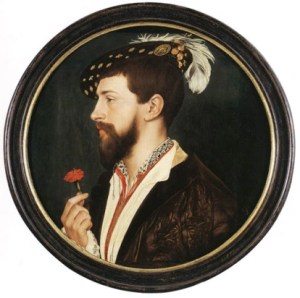
Any other Philippa Gregory book is going to have similar changes. She uses the lack of perfect records to fill in the blanks with her own imaginings. She uses the very real beliefs of the time in witches to include spells, curses, and fortune telling. And she finds obscure (but real) claims to further dramatize an already dramatic era.
But even though she does her homework to justify the changes she makes, the real question is: Do you readers support these changes? Enough that she is still writing and selling books, and Starz is slowly turning her more popular books into mini-series. But the naysayers are still quite loud.
So, at the end of the day, if you’re going to write historical fiction, just know that any changes you make will be noticed by some while unnoticed or ignored by others. It’s still your choice to make, but it will affect your readership. As for me, I’m going to continue to read regency romances regardless of what the upper class eats; and I’m going to continue to enjoy Tudor era stories – though I will grumble internally when things are too wrong for my taste.
What’s your favorite time period for historical fiction? Let me know in the comments!
One of the top things a paranormal/fantasy author does when world building is decide what to keep and what to change about the magical beings that exist in their world. When I came across Julia Laque’s Tortured series, I felt like I was relearning what makes a vampire, a werewolf, and a witch. It was really fun to be surprised by my favorite paranormal creatures.
The first thing that jumps out is that vampires and werewolves are not in hiding. They openly live and work among humans. However, because of cultural and biological differences between the species, vampires and werewolves are not fully beholden to the U.S. Government. They have their own court system and doctors. Humans can become lawyers for these paranormal courts and doctors who perform house visits.
Vampires cannot be exposed to the sun. There is no spell, potion, or special jewelry that can prevent them from burning up in the sun’s rays. They also cannot biologically procreate, they can only be turned through the exchange of blood. Vampires are completely loyal to their sire, because they share blood, there is an innate need to prioritize them. Their sire can call to them and they have to listen. For example, one newly turned vampire learns of a threat coming to their community. She abandons her mortal family to warn her sire first, then returns home to make preparations to protect everyone else. This loyalty also plays into the tension between her sire and her mortal lover.
Werewolves can shift at any time, but they must always shift during the full moon. They also have a monthly “heat” cycle – both males and females – that coincides with the phases of the moon as well. During this cycle, they become very horny and essentially can’t stop themselves from having sex with the first willing participant they come across. (This becomes a problem when married werewolves are not near their spouse during the heat, which we see in one of the stories.) Their doctors developed a pill that can cool the effects if one doesn’t feel like taking a partner that month – some characters have been taking these pills for years while they wait to meet the right person. Regardless of marital status and the consummation of a relationship, what really seals a partnership is procreation. It doesn’t matter what was going on before, a pregnancy creates a family relationship, and no other male can attempt to court or claim the female (another important plot point in one of the books).
Witches are born, but not every offspring is guaranteed to inherit their parent’s powers. With the main family in the books, it appears to be mostly the oldest inheriting powers. Also, depending on what those powers are, too much use drains your powers and life; and neither can be replenished. Becoming pregnant and giving birth also depletes a female witch’s powers and life, so most don’t have very many children. In the series, the witches are the villains, forcing the vampires and werewolves to set aside their differences and team up to defeat them.
There are three books in this series:

Tortured Soul – Evangeline Wolcott is being blackmailed into marrying the Vampire King of North America. To the rest of the world, this is a consensual engagement, which leads to Adam Perez, alpha to the local werewolf pack, kidnapping Evangeline. He believes the Vampire King kidnapped his sister, so he wants to do a prisoner swap. While waiting for the Vampire King to make his move, Adam and Evangeline have quite a time together hiding out in Adam’s cabin. Difficult decisions will need to be made when Adam has to hand Evangeline back over to the king.

Tortured Embrace – Serena, Adam’s sister, is still missing. Jason, Adam’s best friend, is determined to find her. Serena escapes her captors, bringing with her the trauma of her time in captivity, and her desire to control her own life. When Adam commands Jason to stay away from Serena, the two must decide which is more important: obeying their alpha or following their heart; all while preparing for Serena’s captors to attack.
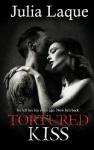
Tortured Kiss – Long before Adam kidnapped Evangeline, Ramo Perez married Elizabeth in order to form an alliance between their packs. To him, it was a paper marriage only, and he left her untouched on their wedding night. Ten years later, the witches are attacking Elizabeth’s pack, and Ramo is called in to help. The eighteen year old bride he abandoned is now a woman. A woman who has moved on with her life. In the midst of protecting not only the pack, but the entire state from these evil witches, Ramo is also determined to prove to Elizabeth that he has changed and is ready for commitment and worthy of trust.
If you are ready for something different for (what some call) the unholy trio (witches, vampires, and werewolves, oh my!), check out the Tortured series.
I read the first three Harry Potter books when I was in third grade. That was 1999. I got to stand in line at midnight for the remaining releases. I grew up with Harry. I was 10 when the 4th book was released, 13 when the 5th book was released, 15 when the 6th book was released, and 17 when the 7th book was released. However, if the entire series had already been published by the time I discovered the books in 1999, I would have gotten to the 5th, 6th, and 7th books and a lot of vital information would have gone over my head.
In between book releases, I discovered another series: Charlie Bone. The first book Midnight for Charlie Bone by Jenny Nimmo, starts out a lot like Harry Potter. Charlie is a young boy on the cusp of adolescence, and has discovered that he can hear people in photographs. Charlie’s father died under mysterious circumstances, and he was raised by his mom, two grandmothers and three great-aunts.
Upon the revelation of Charlie’s powers, his paternal grandmother and great-aunts decide he is no longer worthless and send him to Bloor’s Academy, a school for the gifted and talented. On the surface, the gifted and talented students are either budding artists, musicians, or actors. Hidden behind the school’s walls, a small group of students are there because they have very special talents like Charlie: one student can hypnotize, another can feel the emotions in clothing, and another can turn into a beast.
People who have such talents are considered to be descendents of the Red King, an ancient sorcerer whose crumbling castle lies behind Bloor’s Academy. The Red King had twelve children, who began to fight as they grew up and moved away. Descendents loyal to their ancestor continue to fight on the side their ancestor chose.
There are eight books in the series. Throughout those eight books Charlie works on his talent, helps his fellow classmates, and tries to solve the mystery of what happened to his dad.
The order of the books are as follows:
Midnight for Charlie Bone
Charlie Bone and the Time Twister
Charlie Bone and the Invisible Boy
Charlie Bone and the Castle of Mirrors
Charlie Bone and the Hidden King
Charlie Bone and the Beast
Charlie Bone and the Shadow
Charlie Bone and the Red Knight

The reason why I think this series is a great segue to Harry Potter for young readers is one, the obvious similarities. Two, each book only covers a few days to a few weeks of time. So from book one to book eight, Charlie ages only one or two years, which keeps the danger, death, and evil to age appropriate levels (for my conservative mind, anyway). Granted, there are some characters and scenes that as an adult, I noticed are way more evil and cruel than I realized when I was young; but it’s kind of like adult jokes in a Disney movie – the kids don’t get it, but the parents know exactly what’s going on.
The Charlie Bone series is definitely a hidden gem in mid-grade literature. If your young readers like fantasy, this is a great series to introduce them to.
If that title feels like a mouthful, it is. You see, if I had titled this post “Favorite Books from 2022”, it would give you the impression that I was going to tell you about my favorite books I read in 2022 that were also published in 2022. That is simply not the case because I am nowhere near that caught up on my to-read list.
Shouldn’t this list have come out sometime in December? Perhaps. It is common to publish “The Year’s Best” in December, not January. However, I was going to finish two books on December 31st, so if they were going to make this post, I had to wait a few days.
Out of the 69 books I read in 2022, 16 make it into the “best” category. Here are my favorite reads from 2022:
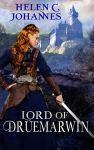
Lord of Druemarwin by Helen C. Johannes is the sequel to The Prince of Val-Feyridge. Together, they make The Crown of Tolem series. Both books follow a larger plotline of a fantasy world separated into three kingdoms. The three kingdoms used to be one. A descendent of the original king, Prince Arn is on a military campaign to reunite the three kingdoms. On this campaign he meets a seemingly magical healer named Aerid, and an intense enemies to lovers storyline brings us through the unification of two of the three kingdoms. The sequel gives us a new couple: Raell and Naed. Naed is the new Lord of Druemarwin, an important principality in the third kingdom. Raell’s father is a Lord in Arn’s kingdom. The two met at the end of Arn’s and Aerid’s story, and their attraction to each other works with Arn’s plans for the kingdoms. There are, of course, players who don’t want a unified kingdom, and will sabotage Naed’s and Raell’s relationship to prevent that. Naed and Raell come from different worlds. And after successfully proving that he fits in hers, it’s Raell’s turn to prove she fits in his.
I devoured both of these books. I normally read 2-3 books at a time, rotating chapters. (Don’t judge, I just simply can’t read only one at a time.) But with both of these I paused all my other reading and read only this series, it was that good. I loved the complexity of the characters. The obvious care Ms. Johannes had taken in world building. And of course the danger mixed with romance – I always need some action and excitement with my love stories. I hope more stories in this amazing world are on the horizon.
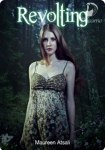
Revolting by Maureen Atsali is a fated mate romance on the Dreame reading app. The reason this one made the list is because it is so unique from other fated mate stories on Dreame.
Revolting starts out as a trope that I generally don’t care for: the Alpha doesn’t want his mate, but his wolf won’t let her go, so he keeps her prisoner while he sleeps with other women. I almost stopped reading. But then, Ms. Atsali went off the traditional path and gave us a wonderful story about a strong woman escaping her abuser and mate bond, and taking charge of her life.
Nina’s father (Alpha of her pack) sets her up in an arranged marriage with the Alpha of another pack they need an alliance with. Alpha Nolan turns out to be her fated mate, but he doesn’t want a mate. He goes through with the marriage, but treats Nina horribly. Nina overcomes the mate bond, rejects Nolan and runs away. Her short time in Nolan’s pack earned her some friends who hate how their Alpha is treating her, and they run away with her, and work on creating a new pack.
If you like fated mate stories, this one is definitely worth a read.
The Last Tudor, The King Maker’s Daughter, The White Princess
I have been a huge fan of Philippa Gregory since I was 17. My high school English teacher lent me his personal copy of The Other Boleyn Girl and told me he thought I might like it. I loved it. It’s still my favorite Philippa Gregory book to this day. And that book put me on the path to becoming a high school history teacher.
I like Ms. Gregory’s form of historical fiction. She focuses on women, which gives her less factual information than if she were writing about a man. This leads to lots of hole filling on her part. Because of this she is often criticized for inaccurately depicting many of her characters; but she always explains why she deviates from the commonly accepted narratives – and she usually has some merit with those reasons. Even if I disagree with an angle she might put on some events and characters (which is rare), I respect her reasons why.

The Last Tudor is about the three Grey sisters: Jane, Katherine, and Mary. They were the final living Tudor relatives of Elizabeth I. Jane’s fate is the most well known: queen for 9 days and ordered to the execution block by her own cousin Mary I. Katherine survived Mary’s reign, but not Elizabeth’s. She married for love and gave birth to two boys. Because her husband was high born as well, her children were threats to Elizabeth and her throne. Elizabeth separated them, and Katherine died alone and heartbroken. Mary thinks she will avoid Elizabeth’s jealous gaze if she marries a widower of a lower status. But Elizabeth will never allow her relatives to be happy while she isn’t.

The Kingmaker’s Daughter is about Anne Neville, Richard III’s wife. Her entire life was a constant roller coaster. As the Yorks and the Lancasters fought for the throne, her family rose and fell depending on who was king – with her dad in the middle of the fighting. Anne and her sister, Isabelle are her father’s only legitimate children, making their marriages of utmost importance in his political games. She was first married to the Lancastrian heir, and widowed in a few months. She later married Richard in secret, putting her back in the royal family as her husband was King Edward IV’s youngest brother. Many familial dramas and battles later, Anne became Queen of England. But being queen isn’t the glamorous life her childhood dreams imagined.
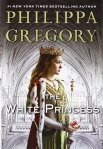
The White Princess covers the early years of Elizabeth of York’s marriage to Henry Tudor. Princess Elizabeth was going to marry the winner of the Battle of Bosworth: Richard III or Henry Tudor. Either way, she would be Queen of England. Richard was supposed to be the obvious winner, but last minute turncoats caused a Tudor victory. Elizabeth and Henry’s marriage was a constant rotation of hatred, love, and suspicion. The part of their marriage this book highlights surrounds the legend of Elizabeth’s missing brothers – the princes in the tower. In Gregory’s series, the older Prince, Edward did die, but the younger brother, Richard was smuggled out. He returns as a grown man, married, and ready to get his family’s throne back. Elizabeth is torn between protecting the inheritance of her own sons, and her baby brother whom she thought long lost.
The Sookie Stackhouse Series by Charlaine Harris
I came across the world of Sookie Stackhouse from a facebook comment of all things. I had commented on a Harry Potter fan page meme about turning the books into a TV series. I said that I had yet to watch a TV series that stayed true to the book. In fact, I consider most TV series adaptations fan fiction because most only keep the characters names and maybe small aspects of the original plot. Because TV series have so much more wiggle room than movies, they can add characters and side plots and all sorts of other things, then all of a sudden it’s no longer the same story. I gave the examples of Pretty Little Liars, The Vampire Diaries, and Witches of East End. The replies to my comment focused on The Vampire Diaries, and we went down a vampire hole, with one person recommending HBO’s True Blood. My personal mantra is to read the book first, so here I am, reading the Sookie Stackhouse series before I sign up for HBO so I can watch True Blood.
Sookie is a barmaid in Bon Temps, Louisiana. She has struggled her whole life because she can read minds. Everyone in Bon Temps knows, but tries to pretend it’s not true. People avoid her and treat her as less than. Vampires have recently gone public, and when Sookie meets a vampire for the first time, she is pleased to learn she can’t read vampire minds, which gives her a nice break. Saving a vampire, Bill Compton from drainers (human hunters who drain vampires of their blood), and her special ability throws Sookie into the supernatural world. Throughout the series she gets involved in vampire conflicts, shifter conflicts, witch conflicts, and fairy conflicts; all while trying to figure out a steady love life.

There are thirteen books in the main series, starting with Dead Until Dark, which was published in 2001. In 2022 I read books 2-8. I’m currently on book 10, so I haven’t finished the series yet. But so far I have loved Sookie’s story. I think my favorite thing is Sookie’s growth throughout the series. In the earlier books she lets people walk all over her – a mixture of southern manners and trauma from being bullied for being different. As we get into the later books, Sookie finally starts standing up for herself and calling people out when they mistreat her. I also love all the worldbuilding done for all the supernatural species Sookie encounters.
Hands down, my #1 books from my 2022 reading list was the Sookie Stackhouse books. I look forward to finishing the series, and I can’t wait to watch True Blood.

Jillie by Olive Balla is an amazing suspense novel. 12 year old me would have read this over and over again – shout out to my two member club I founded with my cousin: The Mystery Hiking Girls. Jillie, the titular character, has been recently orphaned and taken in by her older sister and her sister’s abusive husband. One day, her sister is being beaten up by said husband, and Jillie stabs him to protect her sister. The stab is lethal, and Jillie ends up in juvenile court. The beating put her sister in a coma, which sends Jillie to her dead brother-in-law’s parents’ house. His vengeful and selfish family makes Jillie’s life a living hell, so she runs away. The rest of the book covers Jillie’s adventure as she evades her brother-in-law’s family, the police, and befriends energetic elderly twin sisters – who get their own spin off called Code Murder. Like The Crown of Tolem series, I paused my other reading to devour this book, and Olive Balla’s other books are now on my radar.
The Bridgerton Series by Julia Quinn
Like many other new Bridgerton fans, I came across these books after falling in love with Daphne and The Duke of Hastings on Netflix. I read the first three books before Season 2 came out, so now I’m ahead for future season releases. In 2022, I read books 3-5, which cover Benedict’s, Colin’s, and Eloise’s stories.
For those of you who don’t know, the Bridgerton series is about a family of eight siblings and their mother in early 1800s in London. As each child reaches marriageable age, Violet Bridgerton goes to great lengths to get her children married. Each book is about a different member of the Bridgerton family and their love story with their future spouse.

What I love about Julia Quinn’s storytelling, is she takes common tropes that can feel overdone, and makes them fresh and new. One of my least favorite tropes is fake dating, and yet I devoured The Duke and I. I always enjoy a good enemies to lovers, so The Viscount Who Loved Me was a given that I would love it. (I also deeply connected with Kate because during my teenage years, my cousin always got the guys.) I will be the first one to tell you that Cinderella retellings are overdone, and yet An Offer from a Gentleman drew me in immediately. What makes this one so unique, is the story starts with the ball, and the main plot focuses on two years later. By the time the reader gets to Romancing Mr. Bridgerton, we are ready for Penelope to get her happy ending, so one can easily overlook the friends to lovers trope if it isn’t your thing. And in To Sir Philip, With Love Eloise is our sunshine trying to figure out if Mr. Grump Sir Philip will make a good husband (a.k.a. opposites attract).
A side theme that Julia Quinn covers quite nicely is the historical culture surrounding the taboo of talking about sex – especially among the young ladies. She creates the perfect mixture of humor, awkwardness, and compassion. Poor Daphne goes into her wedding night knowing nothing. Violet tried to talk to her about it, but was so embarrassed herself, the entire conversation was cringe. Kate was better prepared, but went in viewing it more as a duty rather than a way to grow closer with her husband. Sophie, having spent most of her life as a servant – and servants see and hear more than they should – is the most prepared. Penelope is just as unprepared as Daphne. And Eloise tells her mother she doesn’t need the talk because she forced one of the recently married servants to tell her all about it when she was a teenager. I find all of these scenes really important and enlightening because I also grew up in a really conservative family and religious culture, and so I was able to connect to many of the conversations.
Overall, Bridgerton is sexy, romantic, and hilarious.
Here’s to a great 2023! I hope the books I read this year are just as entertaining.
 Chelsey M. Ortega